Experiential Learning
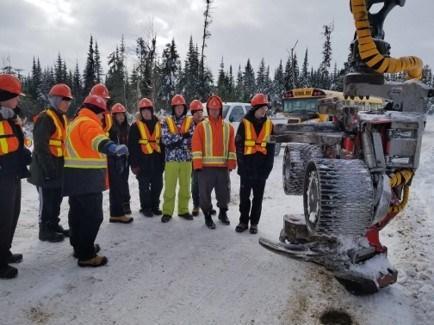
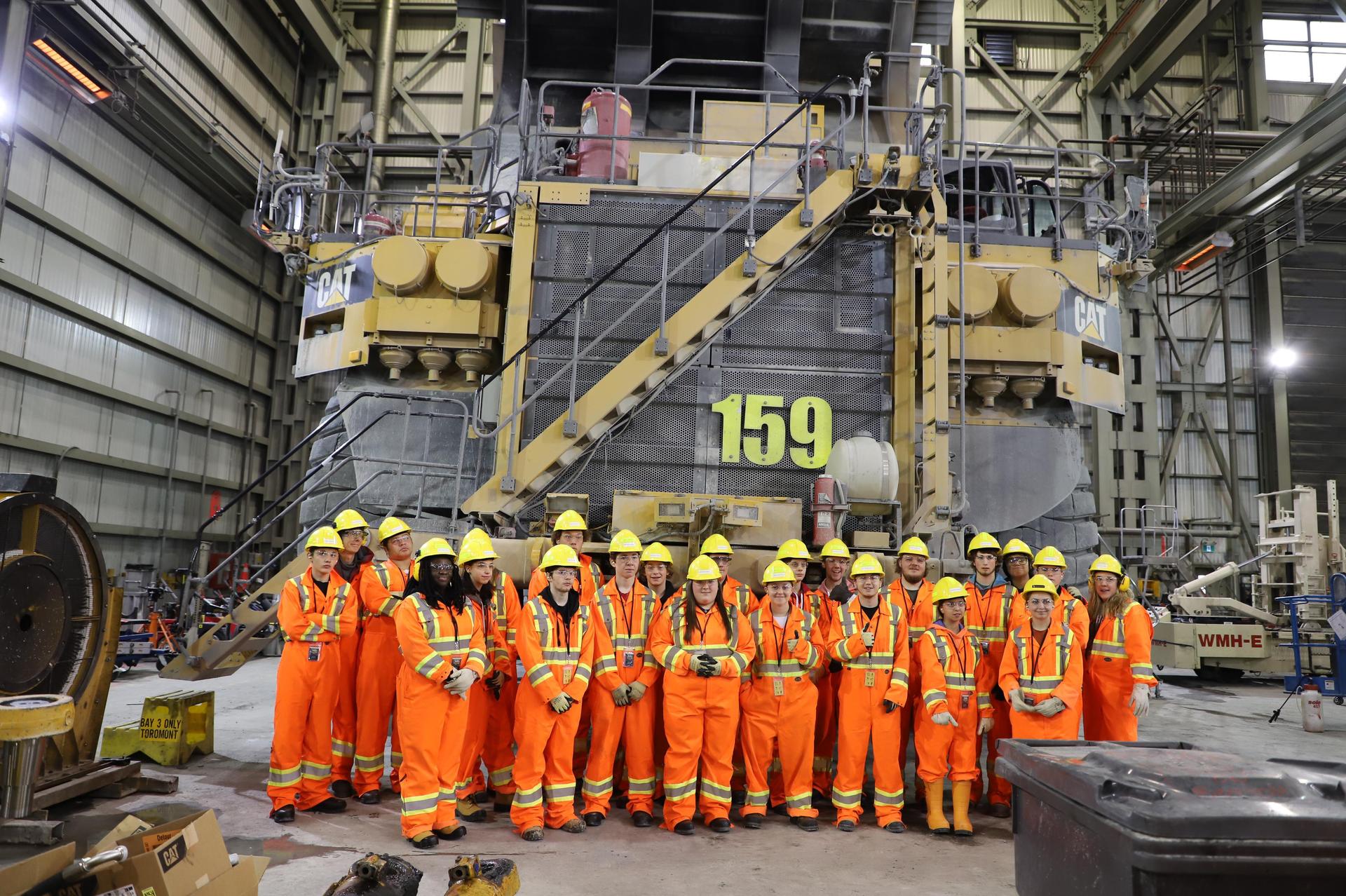
Experiential learning offers students an opportunity to actively participate in learning experiences that take place in the community. These learning experiences can be local, national, or global and are connected to both classroom learning and real-world application.
Our goal is to prepare all of our students for their futures by inspiring them to be adaptable, authentic, resilient learners. 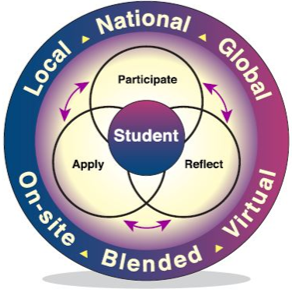
Experiential learning is an approach to teaching and provides students the opportunity to:
- Participate in authentic experiences connected to a community outside the classroom
- Reflect on those experiences to create meaning
- Apply learning to influence decisions and actions
Benefits
- Acquire knowledge and skills needed for education and career pathways
- Deepen understanding through hands-on learning
- Enhance classroom theory and practice
- Promote creativity and self-reflection
Experiential Learning Opportunities
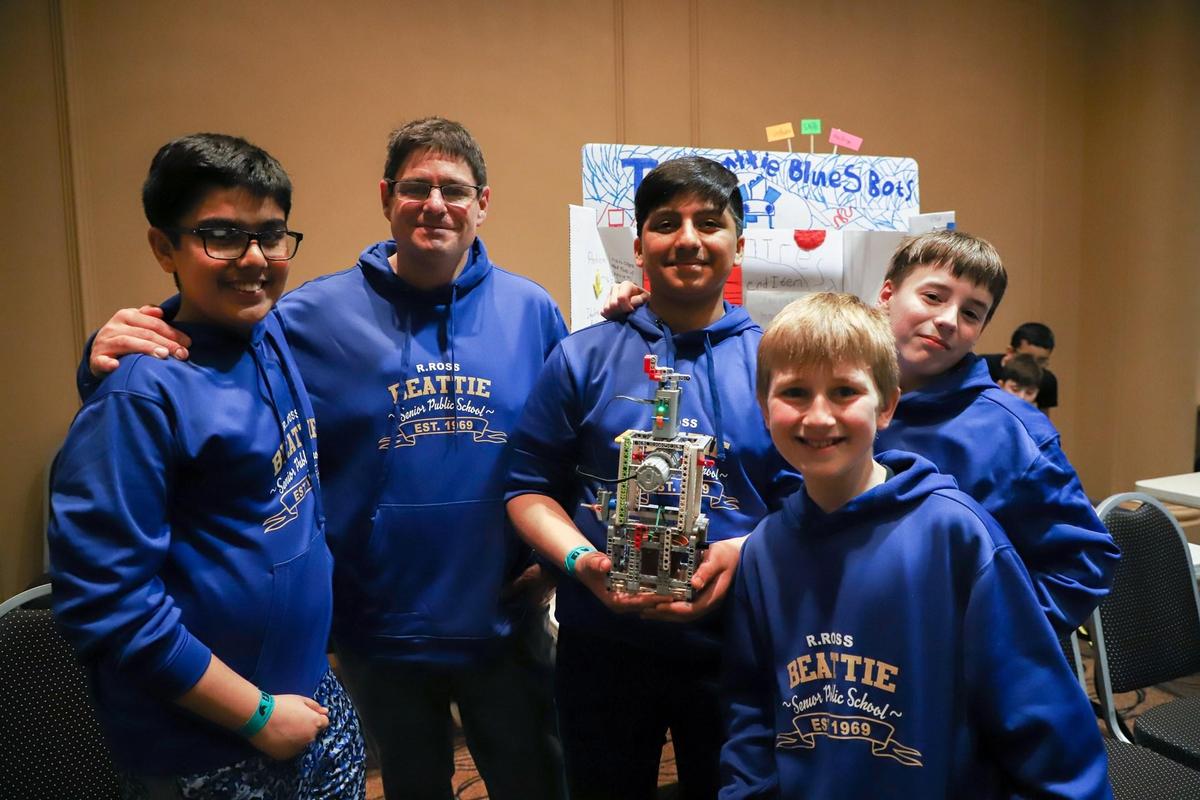
Experiential learning includes hands-on activities such as project-based learning, field experiences, and community-connected opportunities.
Field Study
Application of learning outside the classroom through organized experiences.
Field Trip
Activities outside school that allow students to observe and reflect on real-world experiences.
Project-Based Learning
Inquiry-based learning approach focused on solving real-world problems.
Service Learning
Community-connected learning at local, regional, and global levels.
Cooperative Education
Hands-on workplace experience through structured placements.
Work Experience
Career exploration opportunities connected to school learning.
Take Our Kids to Work Day
Grade 9 students explore a workplace for a day.
Job Shadowing
Short-term observation of a worker in a specific career.
Job Twinning
Extended observation with guided reflection on workplace skills.